 Ireland

If you are travelling to a country where there is a high risk of malaria infection, anti-malaria tablets can provide the protection you need to travel safely.
Please allow 5-7 working days for the delivery of your medication. All malaria tablets require you to start taking the medication at least 24-48 hours before you arrive at your destination. Click & Collect is NOT AVAILABLE on malaria tablets. International delivery is NOT AVAILABLE on malaria tablets.
Before ordering your malaria tablets, please check NaTHNaC guidance on the malaria risk in the country you’re travelling to. Neither the content on our website, nor our online assessment for malaria treatment are intended as a substitute for a full travel consultation.
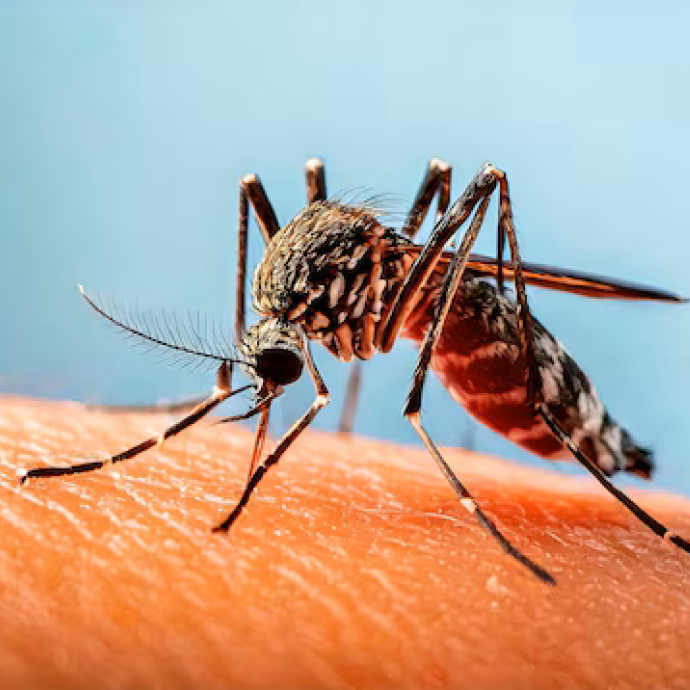
Malaria is a serious illness caused by infection of red blood cells with a parasite called Plasmodium. The disease is transmitted by mosquitoes which predominantly feed between dusk and dawn.
Symptoms usually begin with a fever (high temperature) of 38°C (100°F) or more. Other symptoms may include feeling cold and shivery, headache, nausea, vomiting and aching muscles. Symptoms may appear between eight days and one year after the infected mosquito bite.
Prompt diagnosis and treatment is required as people with malaria can deteriorate quickly. Those at higher risk of malaria, or of severe complications from malaria, include pregnant women, infants and young children, the elderly, travellers who do not have a functioning spleen and those visiting friends and relatives.
Be aware of the risk – Your risk depends on the location, season of travel, length of stay, activities and type of accommodation.
Prevent yourself from being bitten – For example by using DEET-based mosquito repellents, wearing appropriate clothing and using mosquito nets.
Medication – You should take antimalarial medication if appropriate for the area. No antimalarials are 100% effective but taking them in combination with mosquito bite avoidance measures will give substantial protection against malaria.
Seek emergency medical care – If you develop a fever of 38°C [100°F] or higher more than one week after being in a malaria risk area, or if you develop any symptoms suggestive of malaria within a year of return.
Malaria tablets are antiparasitic medications which prevent you from becoming infected with malaria. However they do not provide complete protection, and you will need another treatment if you catch malaria.
Malaria tablets work by:
You usually start taking anti-malaria tablets a few days before you enter an area where malaria is present and continue taking them for the duration of your trip, and then for a short time when you have returned to a malaria-free zone.
There are several different malaria tablets available. Which one you’ll need to take may depend on:
MASTA offers the following anti-malaria tablets:
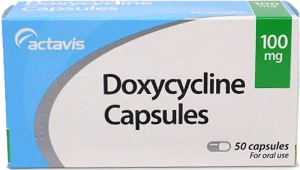
Doxycycline
Doxycycline is an antibiotic that can be taken to prevent malaria. The treatment course is usually started 1 to 2 days before entering an at-risk area and continued until 4 weeks after you leave. Doxycycline is a prescription-only medication, so you will need to complete our online questionnaire for a doctor’s approval to receive it.
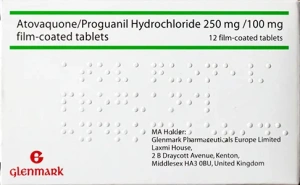
Atovaquone and Proguanil
Atovaquone and Proguanil tablets should be started 1 to 2 days before travelling to an area which has malaria and continued throughout your stay, until 7 days after you have returned to a malaria-free zone. It is a prescription-only medication, so you will need to complete our questionnaire for a doctor’s approval to receive it.
How to take doxycycline to prevent malaria
The usual dose of doxycycline for malaria is one 100mg tablet daily from 1 to 2 days before travelling to an area where you may contract malaria, until 4 weeks after you return.
Doxycycline tablets increase your risk of photosensitivity, making your skin more sensitive to sunlight. You should reduce sun exposure and use high-SPF sun cream.
How to take Atovaquone and Proguanil
The usual dose for of Atovaquone and Proguanil for adults to prevent malaria is 1 tablet once per day, taken with food or a milky drink where possible. Each tablet contains 250mg of atovaquone and 100mg of proguanil hydrochloride.
What happens if I miss a dose?
If you forget a dose of malaria tablets, take it as soon as you remember. Then take your next tablet at the correct time.
Do not take a double dose to make up for a forgotten dose, take your next dose at the usual time.
As with all medications, there is the risk of experiencing side effects when taking malaria tablets. However, not everyone will experience them.
Common doxycycline side effects (may affect up to 1 in 10 people) include:
Uncommon doxycycline side effects (may affect 1 in 100 people) include:
Very common atovaquone and proguanil side effects (affecting more than 1 in 10 people) include:
Common atovaquone and proguanil side effects (may affect up to 1 in 10 people) include:
Uncommon atovaquone and proguanil side effects (may affect 1 in 100 people) include:
Malaria tablets may not be suitable for everyone.
Doxycycline warnings
Do not take doxycycline if you are:
You should tell your doctor before taking doxycycline if you:
Doxycycline and other medications
Before taking doxycycline, you must tell your doctor about any other medications you are taking, including those that are prescription-only, over-the-counter, or herbal.
The following medications can lower the effectiveness of doxycycline:
Doxycycline can affect how the following medications work:
Doxycycline and the contraceptive pill
Doxycycline doesn’t stop the oral contraceptive pill from working but it can make it less effective if you experience sickness or diarrhoea for more than 24 hours.
If you are concerned, speak to your doctor before taking doxycycline or follow the instructions about what to do in the patient information leaflet provided with your contraceptive pill.
Atovaquone and Proguanil warnings
Do not take atovaquone and proguanil if you are allergic to any of its ingredients.
Before taking atovaquone and proguanil, tell your doctor if you have a severe kidney disease.
Other medications and atovaquone and proguanil
Some medications can affect how atovaquone and proguanil works or may affect the effectiveness of other medications. It is important to tell your doctor if you are taking any prescription, over the counter or herbal medications before taking atovaquone and proguanil, particularly:
Atovaquone and proguanil in pregnancy and breastfeeding
You must not take atovaquone and proguanil if you are or suspect you may be pregnant unless your doctor recommends it. Atovaquone and proguanil must not be taken if you are breastfeeding, unless no other alternative is available, because the active ingredients may pass into your milk and harm your baby.
Are malaria tablets available on the NHS?
No, malaria tablets are not available on the NHS. You can pay for a supply of tablets in one of our travel clinics or for a private prescription either from an online travel service, like this or from a GP. The cost of a private prescription can vary for malaria tablets.
Can you get malaria tablets over the counter?
Yes, a type of malaria tablet called chloroquine is available over the counter without a prescription from most pharmacies, but this may not be suitable for all travel destinations
Is doxycycline or atovaquone and proguanil better for malaria?
Doxycycline and atovaquone and proguanil are both effective at preventing malaria but doxycycline is available at a cheaper cost but you must continue to take doxycycline for 4 weeks after leaving the malaria risk are..
Atovaquone and proguanil is more expensive but you only need to take the tablets for 7 days after leaving the malaria risk area.
Can I drink alcohol while taking malaria tablets?
Whether you can drink alcohol while taking malaria tablets will depend on which type of medication you are taking. You should read the patient information leaflet before starting your medication. If you’re taking:
If I get malaria, will I have it for the rest of my life?
No, malaria is not a lifelong condition, and if it is diagnosed and treated promptly the infection will go away. Sometimes malaria can come back, if it does, you will need to be treated again.
Do all mosquitoes transmit malaria?
No, only female Anopheles mosquitoes can transmit malaria from one person to another.

Advice that’s tailored to you & your travel plans